 Beauty
A Warmer Hair Colour for the Colder Months
By Sara Tilla
There is a particular kind of perfume that seems to belong beside a warm cup, a soft sleeve and a quiet moment before the day begins.
 WORDS BYAndrea HillsOctober 21, 2026
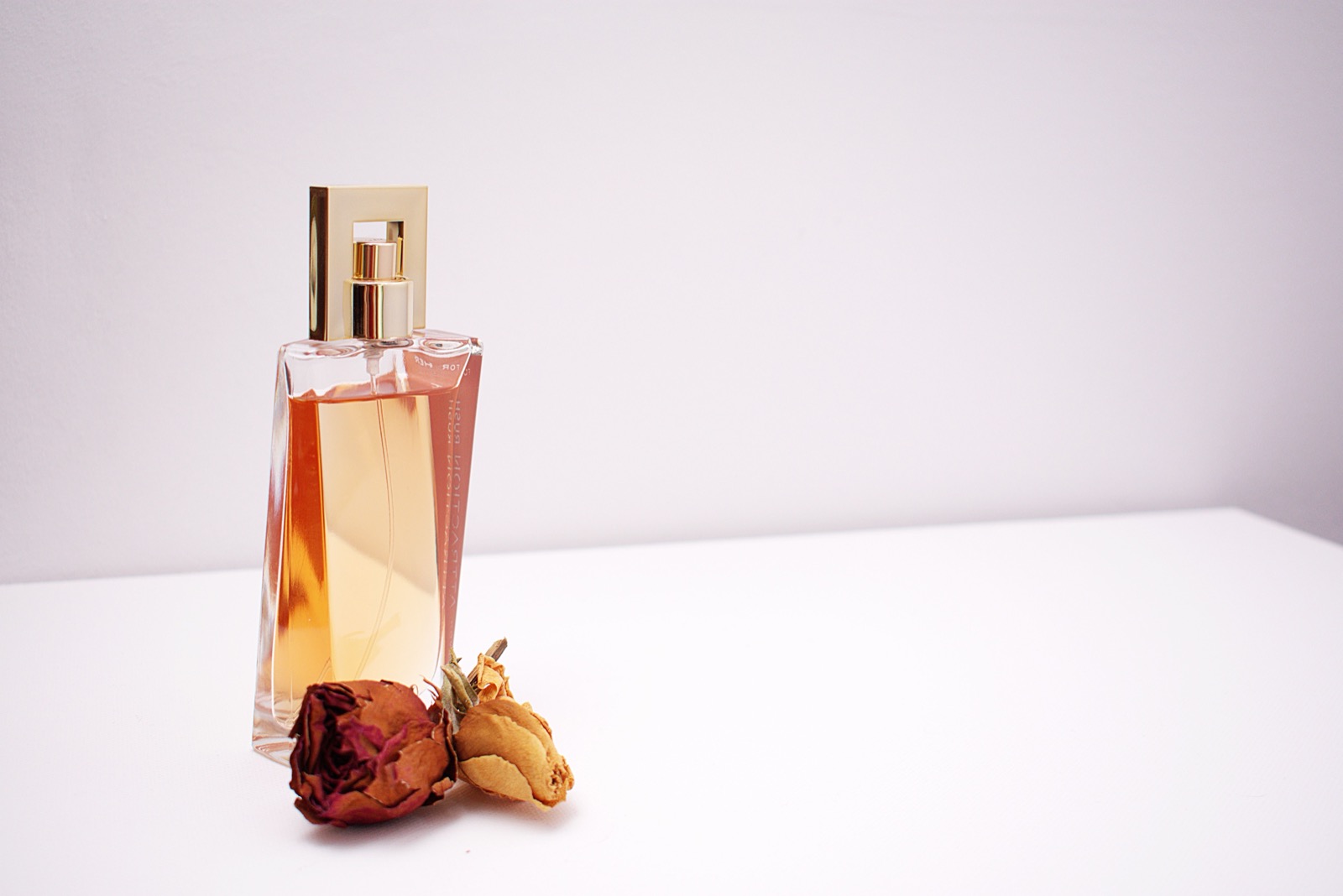
There is a particular kind of perfume that seems to belong beside a warm cup, a soft sleeve and a quiet moment before the day begins. Coffee and vanilla can suggest that atmosphere, but the words on the bottle tell only part of the story. One fragrance may evoke a dry, roasted impression; another may feel creamy, sweet or almost smoky. The pleasure lies in discovering which version feels inviting to you, rather than assuming every coffee perfume will resemble your favourite drink.
ELLE's recent coffee-fragrance coverage places these scents within the broader interest in comforting, food-associated perfumes. That is a useful starting point for exploration. It does not establish how a fragrance will smell on every person, how long it will last or whether it deserves a place in your collection. Those decisions are better made slowly, with a sample, some ordinary time and permission not to like what sounds lovely in a description.
Perfume descriptions often borrow the language of a kitchen: coffee, vanilla, milk, cocoa, cardamom. These words help communicate an impression. They should not be read as a complete ingredient list or a guarantee that the perfume contains the food being named. A fragrance can suggest a familiar flavour through a composed accord, and the surrounding materials can change how that suggestion is perceived.
This matters because an appealing note does not automatically make an appealing perfume. You might love vanilla in baking but prefer it only faintly in a scent. You may enjoy the smell of coffee grounds yet dislike a sweeter café-like fragrance. Let the description guide you towards a sample, then allow the actual experience to overrule the description. The words are an invitation to smell, not an instruction about what you should feel.
Comfort is personal and sometimes surprisingly specific. It might mean the dry warmth of wood, the softness of clean fabric or the sweetness of a familiar dessert. Before searching for a coffee perfume, think about which part of the idea attracts you. Is it the roasted impression, the creaminess, the association with a morning ritual or simply the promise of something less floral than your usual choice?
Naming that preference makes the search more useful. If you want a dry scent, a description dominated by caramel and sugar may point in a different direction. If you want softness, an intensely smoky presentation may not be what you had imagined. There are no strict boundaries here, and sampling can still surprise you. The purpose is to give your curiosity a starting point without turning preference into a rigid classification system.
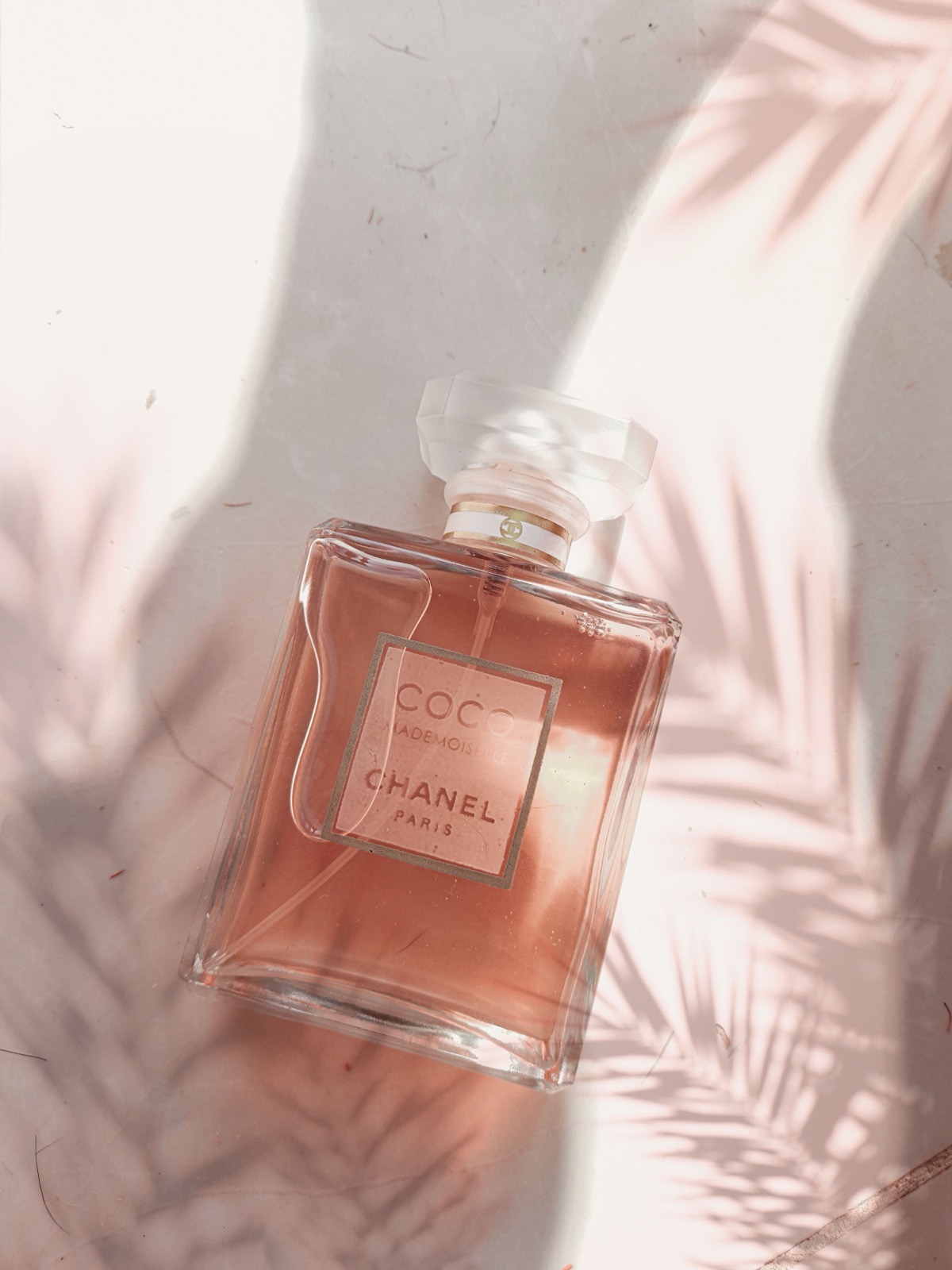
A quick spray in a shop can tell you whether the opening interests you. It cannot show you the entire wearing experience. Where possible, obtain a sample and try it on a day when you have time to notice it without comparing several new fragrances at once. Use the product as directed and avoid applying it to irritated skin. If it causes discomfort, stop using it rather than treating irritation as part of getting accustomed to a scent.
Notice the perfume after the first impression has settled, then again later. You do not need technical vocabulary. Write down what you actually perceive: sweet, dry, soft, sharp, close, distracting, comforting or simply unfamiliar. Those plain words are more useful than borrowing a reviewer's elaborate description. The aim is to understand whether you enjoy living beside the fragrance, not whether you can produce an impressive account of its construction.
Coffee can be framed in many different ways. A sweeter surrounding impression may suggest dessert or a milky drink; a drier one may feel closer to roasted beans. Neither is automatically more mature, elegant or suitable for a particular gender. Those labels can obscure the simpler question of what you enjoy smelling. If a fragrance feels too sweet, look for a different composition rather than assuming you dislike coffee as a perfume idea.
Vanilla deserves the same openness. It can be the central impression or a quieter part of the whole. When trying a perfume, ask whether the sweetness remains enjoyable after several hours. A scent that delights for five minutes may become tiring in a small room, while another may grow more appealing as it settles. Your preferences over time matter more than the strength of your initial reaction at the counter.
A comforting fragrance does not need to fill a room. Think about where you will wear it and who shares the space. Public transport, a close office and a quiet dinner create different circumstances from an outdoor afternoon. Begin modestly and follow the product's directions. You can decide whether the scent feels present enough without assuming that a stronger application is always a better or more luxurious experience.
Be considerate of other people's sensitivities and any fragrance-free policies in the places you visit. A scent can feel intimate and enjoyable to you while being unwelcome to someone nearby. That does not make your taste wrong; it makes context part of wearing perfume. Sometimes the nicest place for a rich fragrance is a private moment at home, where it can remain a small personal pleasure rather than a public announcement.
Packaging can be persuasive. A warm-toned bottle, a café photograph or a story about winter evenings may create a world you want to enter. Enjoy that storytelling, but separate it from the purchase. Would you still want the fragrance in a plain sample vial? Do you like the scent itself, or mainly the idea of becoming the person pictured in the campaign? A little distance can make the answer clearer.
Consider the size you are buying too. A smaller format may be sufficient for a scent you plan to wear occasionally. If you already own several sweet or warm fragrances, compare the new one with them before adding another bottle. Similarity is not necessarily a problem, but it is worth recognising. You may prefer replenishing something you know rather than acquiring a slightly different version of an atmosphere already well represented on your shelf.
Perfume can accompany a routine without turning the routine into a performance. A quiet spray before reading, getting dressed or heading out can be enough. You do not need to match the fragrance to every item of clothing or rebuild your beauty collection around a new scent family. Let it enter the day gently and see whether you find yourself wanting it again.
The right coffee or vanilla perfume is not the one that most convincingly imitates a drink. It is the one whose whole composition remains pleasurable in the situations where you use it. Perhaps that means a little sweetness, perhaps something drier, perhaps discovering that you prefer the idea of coffee to wearing it. Sampling has done its job either way. A considered refusal can be as useful as finding a new favourite.
OUR WRITERSAndrea HillsRead more from Andrea Hills on Dear Bloom.
All stories by Andrea Hills ↗