 Beauty
Coffee, Vanilla and the Appeal of Comforting Perfume
By Andrea Hills
A warmer hair colour does not have to announce a completely new version of you.
 WORDS BYSara TillaOctober 21, 2026
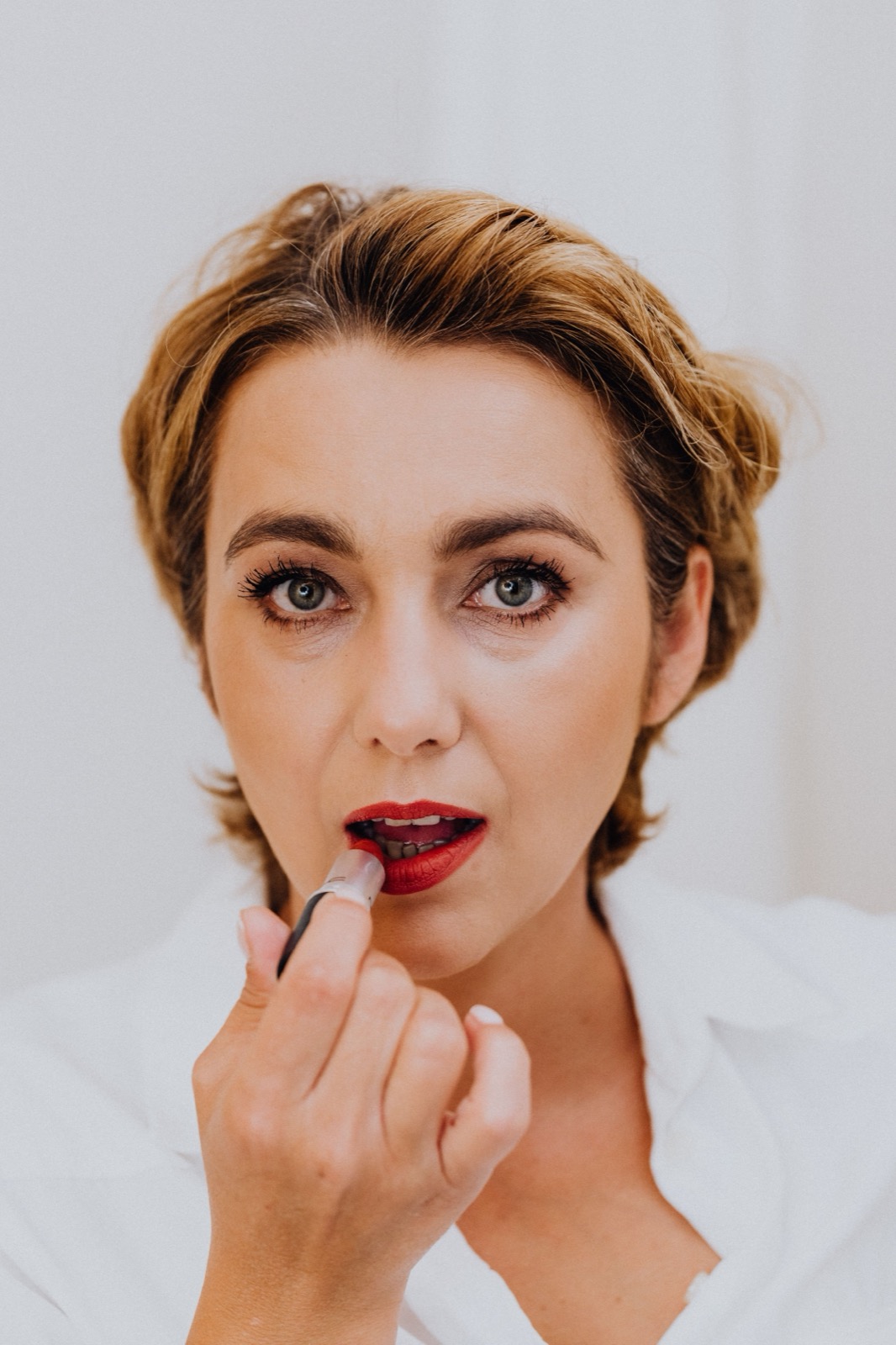
A warmer hair colour does not have to announce a completely new version of you. Sometimes the desired change is quieter: a brown that catches a little more gold, a blonde that feels less icy or a red tone that appears only when the light moves. Before choosing a name from a seasonal trend list, it helps to understand what you want the colour to do in ordinary life, with your usual clothes, your usual styling and the time you actually have for upkeep.
ELLE's autumn 2026 hair-colour report describes an interest in warmth and dimension. That is a broad direction, not a formula for every head of hair. The appropriate process depends on your starting colour, previous treatments and the condition of your hair. A professional consultation is the place to discuss what is feasible. This guide focuses on preparing for that conversation and making an aesthetic decision you can explain clearly.
Words such as chestnut, honey and cinnamon can evoke a mood, but different people may imagine different colours when they hear them. Begin with a simpler description. Do you want to appear darker overall, keep the same depth or add a warmer impression without a dramatic shift? Are you hoping for a uniform result or visible variation? These distinctions give a colourist more useful information than a fashionable shade name alone.
It also helps to describe what you do not want. Perhaps you like warmth but dislike a strongly orange impression, or you want brightness around the face without a high-contrast result throughout. Bring those preferences into the conversation without expecting a picture to function as an exact recipe. Hair colour is seen on a particular person, in particular light, after particular styling. A reference is a starting point for discussion rather than a promise of duplication.
Choose a small number of images rather than an enormous saved folder. Include one that shows the overall depth you like, another that illustrates the placement of lighter areas and, if useful, one that demonstrates a result you would prefer to avoid. Explain the specific feature in each image. You might like the softness of one colour but not its brightness, or the dimension of another without wanting the same haircut.
Look for photographs in more than one kind of light. A single polished image may conceal how the colour appears in daylight or indoors. Filters, styling and photography can influence the impression too. You do not need to investigate every image technically; simply avoid treating one photograph as an unambiguous colour sample. The more clearly you can separate colour, cut and lighting in your explanation, the more productive the consultation can become.
Tell the professional about previous colouring and treatments, including products used at home. Do not leave out an older change because it no longer seems visible. The person planning the service needs accurate information about what has been done to your hair. If you cannot remember a product or date, say so rather than guessing. Bringing packaging or a photograph of the product may help clarify the history.
Ask what assessment or testing the salon requires before proceeding, and follow the relevant product and professional safety instructions. This is not the stage to improvise a chemical process from an online colour description. A desired look and a safe, achievable route to it are different questions. If the proposed change is not suitable immediately, discuss alternatives or a slower plan rather than treating caution as a failure to deliver the picture.
A colour can be beautiful and still ask for more attention than you want to give it. Ask how the intended result is likely to look as it grows out and what appointments may be needed to maintain it. Get a realistic explanation of the service, expected upkeep and costs before committing. A plan that fits comfortably into your schedule is more useful than a result you love for a week and resent managing afterwards.
Think about your normal styling habits as well. If you usually let your hair dry with minimal intervention, ask to see or discuss the colour in that context. A highly styled photograph may show separation and shine that you do not recreate every morning. The colour should make sense with the way you actually wear your hair. You are choosing something to live with, not only a finished salon image.
Hair colour sits beside collars, scarves, glasses and jewellery every day. You do not need to follow a rigid colour-analysis system, but it can be useful to think about the combinations you already enjoy. Bring the consultation back to your real wardrobe: the black coat you wear constantly, the cream knit you love or the bright scarf that makes winter mornings feel better. These details help describe the overall impression you want.
Avoid deciding that a warmer shade means you must replace your makeup or clothes. Try the new colour with familiar things before making more changes. Sometimes a small adjustment to a lip shade or neckline feels enjoyable; sometimes nothing else needs to move. A hair appointment should not automatically trigger an expensive chain of purchases. Give yourself time to recognise the new relationship before deciding what, if anything, needs to accompany it.
Before leaving the salon, make sure you understand the recommended care routine and which instructions are specific to your service. Ask questions about anything unclear. You do not need to buy every product mentioned without understanding its role. A manageable routine that you can follow consistently is more useful than a crowded shelf assembled out of uncertainty. Follow professional advice appropriate to your hair rather than combining unrelated tips from different transformations.
Keep a photograph of the result in ordinary light and note what you like about it. At the next appointment, that record can support a precise conversation: more softness around the face, less contrast through the lengths or the same depth with a different placement. Small, informed adjustments are often more satisfying than repeatedly starting from an entirely new reference and hoping the latest image will explain everything.
Seasonal colour stories can make change feel urgent, but you do not owe the calendar a transformation. A warmer result can be subtle, postponed or rejected after a consultation. You may discover that a haircut or different styling gives you the freshness you wanted without altering the colour. The useful decision is the one that responds to your preferences and circumstances, not the one that most visibly demonstrates participation in a trend.
When a change does feel right, let it be specific. You wanted a softer brown, a little more warmth or a gentler contrast, and you found a considered way to achieve it. That is enough. Hair colour becomes personal through how it fits into your days: the light at the kitchen window, the scarf by the door and the familiar face looking back when the appointment has become part of ordinary life.
OUR WRITERSSara TillaRead more from Sara Tilla on Dear Bloom.
All stories by Sara Tilla ↗