 Beauty
Coffee, Vanilla and the Appeal of Comforting Perfume
By Andrea Hills
Wearing two fragrances together can feel like arranging flowers in a small vase: the individual choices matter, but so does the space left between them.
 WORDS BYAndrea HillsOctober 21, 2026
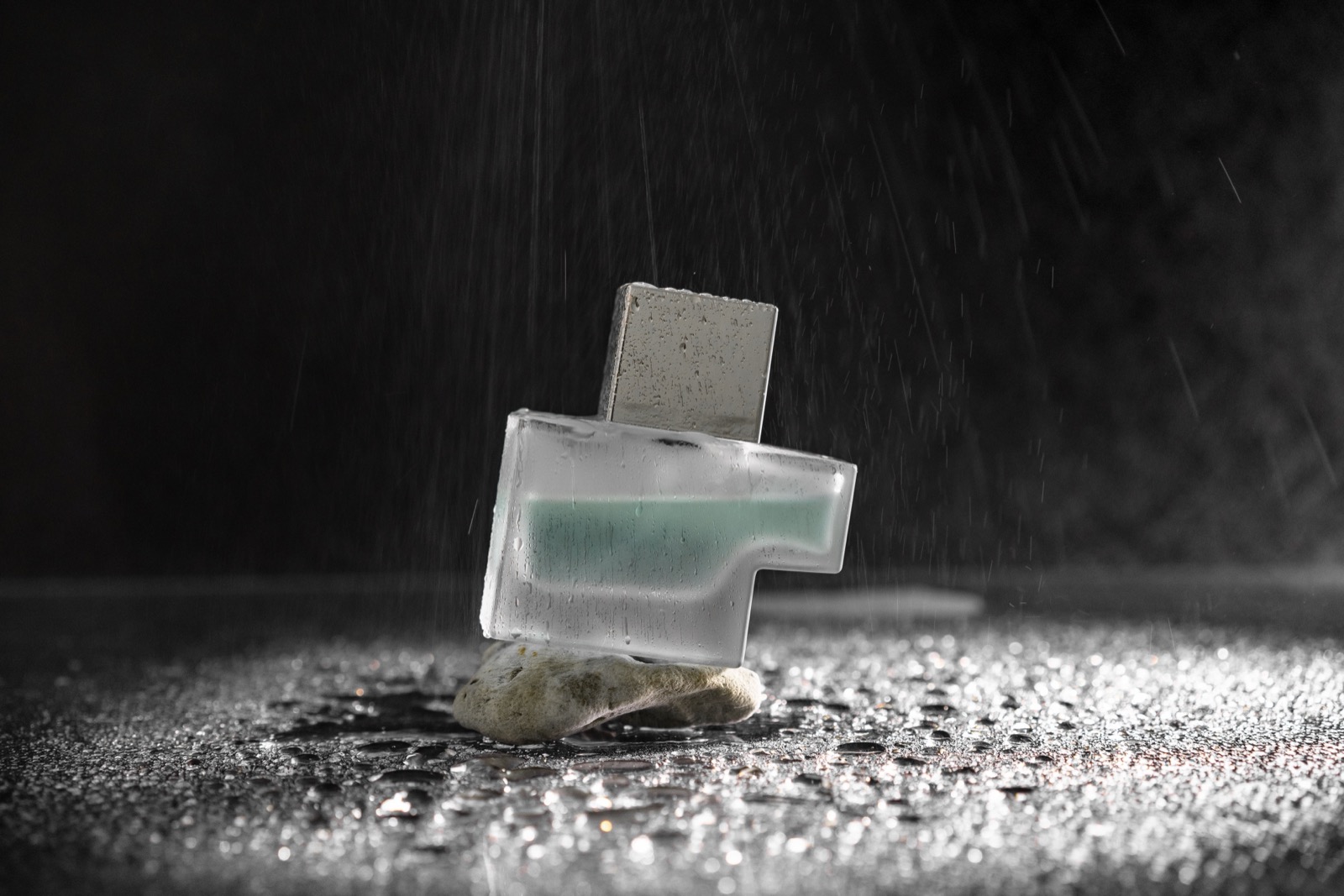
Wearing two fragrances together can feel like arranging flowers in a small vase: the individual choices matter, but so does the space left between them. More is not automatically more interesting. Sometimes one scent already says everything you want it to say. When you are curious about combining perfumes, the best starting point is a modest experiment with familiar fragrances, rather than buying several new bottles in the hope that they will somehow explain one another.
ELLE has published guidance on perfume layering, reflecting an interest in making fragrance feel more personal. The attraction is understandable. Two scents can produce a different overall impression when worn near each other. That does not guarantee a successful combination, and there is no universal pairing chart that can predict your response. Your own preferences, the particular formulas and the setting in which you wear them all remain part of the decision.
Spend time with the perfumes separately before combining them. Notice the impression each gives at the beginning and later in the day. You do not need to identify every listed note. Plain observations are enough: one feels dry and close, another sweet and expansive; one remains enjoyable for hours, another becomes tiring. Those distinctions help you understand what you might want to add or soften through a combination.
If you do not enjoy a fragrance by itself, layering is not necessarily the best way to rescue it. You may simply prefer a different perfume. Trying to disguise an unwanted quality can lead to increasingly complicated combinations that still do not feel right. Start with two scents you already like and a clear reason to explore them together. Curiosity is a better guide than the pressure to make an unsuitable purchase work.
You might want to place a softer fragrance beside a drier one, add a brighter impression to something rich or bring a little warmth to a scent you find cool. Describe the idea in ordinary language before reaching for the bottles. This keeps the experiment focused. If you combine several perfumes at once, it becomes difficult to understand which relationship is producing the result you notice.
A shared note can offer a starting point, but it is not a guarantee. Two fragrances described as woody may have very different personalities. Two with apparently unrelated note lists may sit pleasantly together. Treat descriptions as suggestions rather than formulas. The whole composition matters more than one word on the packaging, and the most useful evidence is the way the actual scents smell beside one another.
Choose a time when you can assess the combination without rushing into a close shared space. Use products according to their directions and begin with a small amount. You can explore the relationship on suitable fragrance blotters first, keeping them separate and bringing them together to compare the overall impression. This lets you consider the pairing without immediately committing to wearing it for the rest of the day.
If you decide to try the fragrances on skin, avoid irritated areas and stop if you experience discomfort. Do not mix products directly into one bottle or improvise a new formulation. Wearing two finished products as directed is different from altering their contents. Keep the experiment simple and reversible. A pairing that seemed promising on paper may not be something you want to wear, and that is useful information rather than a failed attempt.
Equal quantities are not a requirement. One fragrance can be the main impression while the other remains a small accent. Begin with the amount you would comfortably wear in the setting and adjust cautiously within the products' instructions. The aim is not to make both perfumes separately identifiable at full strength. It is to discover whether their combined presence feels more enjoyable to you than either one alone.
Avoid adding more immediately because you stop noticing the scent yourself. Your own perception can change while others nearby may still notice it. Consider the people sharing your space and any fragrance-free policies. A personal fragrance experiment should remain considerate of its surroundings. Sometimes a quieter combination is the more pleasurable one because it stays close and does not require everyone around you to participate.
Write down the two fragrances, the approximate application and the words that describe the result. Add a note about the setting and whether you wanted to keep smelling it later. This does not need to become a technical spreadsheet. A few lines in your phone can prevent you from repeating an unsuccessful combination or forgetting the small adjustment that made another one feel balanced.
Change only one thing at the next attempt. Use less of one fragrance, try the pairing at a different time or return to wearing each separately. If you alter the quantities, products and setting all at once, comparison becomes less useful. A slow approach gives you a clearer sense of preference and reduces the temptation to turn every uncertain result into a reason to purchase another bottle.
A strongly fragranced lotion, hair product or body wash may already be part of the scent you are wearing. Before adding a second perfume, notice the products in your routine. You might prefer a simpler background while experimenting so that the two fragrances are easier to assess. Alternatively, a familiar scented product may be the existing element you want to consider rather than adding another perfume at all.
Do not assume that products from the same range will suit every person or that matching labels remove the need to follow individual directions. Choose according to your skin's needs and your preferences, and avoid products that cause irritation. The aesthetic goal of a coordinated scent should not override comfort. A less elaborate routine can still feel personal and complete, especially if the perfume itself already gives you the atmosphere you enjoy.
Some combinations are simply unpleasant to you. One may become too sweet, another too dense, another strangely muddled. You do not need to explain the chemistry or find a third scent to repair the result. Make a note, stop the experiment and return to the fragrances separately. Knowing what you do not enjoy is part of developing a useful personal vocabulary for scent.
It is also fine to decide that you prefer perfumes as their makers composed them. Layering is an option, not a more advanced level of fragrance appreciation. A single carefully chosen scent can be more expressive than a complicated combination. The point is to enjoy what you wear, whether that comes from an experiment or from the familiarity of reaching for the same bottle each morning.
The nicest result may be very small: a combination that feels softer on a quiet evening, or a familiar perfume given a different mood for an occasional outing. It does not need a special name or a claim of uniqueness. Keep the record, use it when you want to and leave room for your preferences to change with the season, the setting or simply your state of mind.
Fragrance can become personal through repetition as much as through invention. The scent you associate with your own coat, your room or the beginning of a day may already feel entirely yours. If combining two perfumes adds pleasure, explore it thoughtfully. If it adds only decisions, let one beautiful fragrance be enough. A small ritual should leave you with more enjoyment than administration.
OUR WRITERSAndrea HillsRead more from Andrea Hills on Dear Bloom.
All stories by Andrea Hills ↗