 Beauty
Coffee, Vanilla and the Appeal of Comforting Perfume
By Andrea Hills
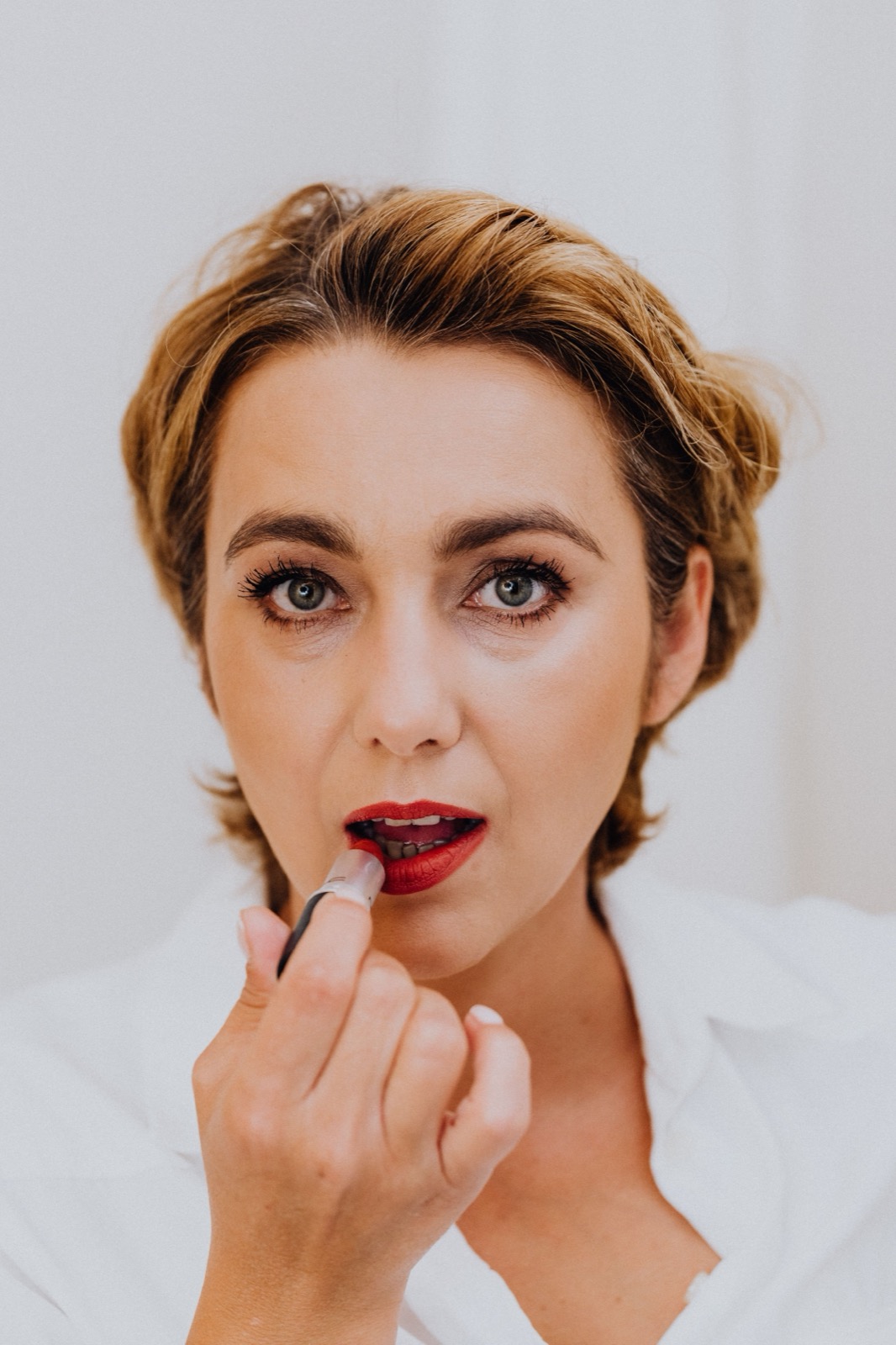
A cocoa lip can be soft, defined, glossy or almost invisible.
 WORDS BYToni MelaOctober 21, 2026
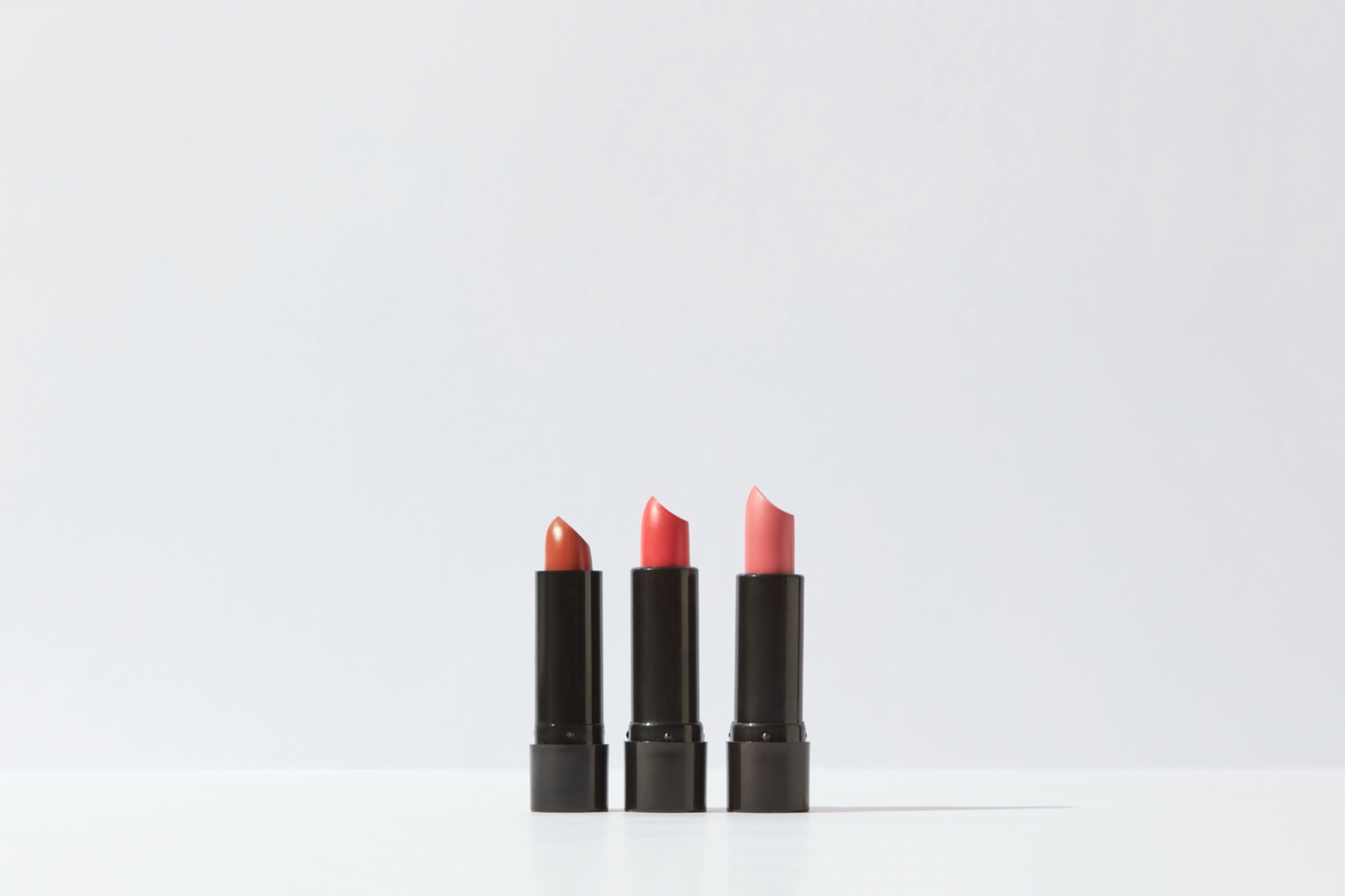
A cocoa lip can be soft, defined, glossy or almost invisible. The phrase sounds specific, but brown lip colour covers a wide range of tones and effects. Some shades lean pink, some red, some grey and some golden. A colour that looks like a quiet neutral on one person may appear much deeper or cooler on another. The useful starting point is not finding the officially correct cocoa shade. It is deciding what you want your lips to look and feel like.
ELLE's cocoa-brown lip edit reflects the current interest in this colour family. Our approach is a practical one: separate shade from finish, explore how much definition you enjoy and build a look that works with the rest of your face. You do not need a full collection of products to begin. One suitable lip colour can tell you much more than a shopping basket assembled from several unrelated recommendations.
A light wash of brown behaves differently from an opaque lipstick. If you usually wear little lip colour, start by deciding whether you want a subtle change or a clearly visible one. There is no requirement to begin cautiously, but knowing your intention makes comparison easier. A shade may seem wrong simply because you expected a soft tint and applied it as a full, solid layer.
Follow the product's intended use and experiment with the amount you apply. Some products are designed to give a sheer result; others are built for stronger coverage. Do not assume that every formula will produce every finish equally well. Look for the type of result you want before judging the colour alone. A beautiful shade in an uncomfortable texture is unlikely to become a favourite, however convincing it appears in a photograph.
Compare a few shades side by side where hygienic sampling is available. Notice whether each looks more pink, red, grey or warm brown. You do not need to categorise your own colouring rigidly to recognise a preference. The shade that feels harmonious to you may be different from the one a generic chart recommends. Use guidance as a starting point, then let your own response to the actual colour matter.
Try to assess the shade in ordinary light and with the makeup you usually wear. A colour chosen under strong shop lighting can look different at home. If you are considering an unfamiliar shade, a smaller format or a single product may be a sensible first purchase. Give yourself time to wear it on an ordinary day before deciding that the colour family needs a larger place in your routine.
A glossy brown lip can feel softer and more reflective than a matte version of a similar shade. A satin finish sits somewhere else again. Think about the experience as well as the appearance: whether you like the feeling of gloss, how often you are willing to reapply and whether you prefer a more defined edge. The finish should suit your habits rather than only the reference image.
A very shiny finish may become the main point of interest in a simple makeup look. A quieter finish can sit comfortably beside a stronger eye or cheek. These are possibilities, not rules about how much makeup a face is allowed to carry. Try the combinations you enjoy, then notice which ones feel balanced to you after you have stopped examining them closely in the mirror.
Lip liner can create a clearer boundary, change the visible balance of colour or provide a base for another product. It does not have to be dramatically darker than the lipstick. A shade close to the lip colour can keep the result cohesive; a more contrasting liner can make the outline deliberate. Choose the effect intentionally rather than assuming that a cocoa lip always requires a visibly dark edge.
If you use liner, take a moment to soften or blend the boundary according to the look you want. Check the result when speaking and smiling, not only with the mouth held still. Makeup is worn on a moving face. A shape that looks precise in a posed close-up may feel less natural during conversation, while a softer edge can be easier to maintain through an ordinary day.
Begin with your usual skin and eye routine, then add the brown lip colour. Resist changing everything at once. If the result feels unfamiliar, identify what has changed: depth, warmth, definition or shine. You can adjust one quality without abandoning the entire idea. A sheer application, a different liner or a softer finish may bring the look closer to what you had imagined.
For a restrained daytime version, let the lip be the main new element and keep the rest familiar. For an evening, you might deepen the colour or add more definition while leaving the same basic routine in place. There is no need to invent a separate face for each occasion. A small variation can make the look feel intentional while remaining recognisably yours.
A brown lip sits beside collars, scarves, glasses and jewellery. Try it with the clothes you actually wear rather than only against a bare neckline. A cream knit can make the colour appear softer; a dark shirt may create a stronger overall impression. You do not need to coordinate lipstick with clothing exactly, but the surrounding colours can help explain why the same product feels different from one day to another.
Hair also changes the frame. Wearing it up or down can alter how prominent the lip appears. This does not mean you need to plan an elaborate combination every morning. It simply gives you more options when a familiar colour feels unexpectedly strong. Sometimes changing the neckline or removing a busy scarf is enough to make the makeup feel settled again, without adding another product.
Use lip products according to their instructions and avoid continuing with a product that causes irritation. For sampling, follow hygienic practices and the retailer's guidance. A trend does not make a product suitable for everyone, and a comfortable alternative in a slightly different shade is a better result than forcing a formula you dislike. Product names and colour descriptions cannot replace your own experience of wearing them.
Think about reapplication realistically. If you dislike checking your makeup throughout the day, choose a result that still looks pleasant to you as it wears. Keep the product you use accessible rather than assembling a complicated combination that is difficult to repeat away from home. A good everyday lip look should be something you can maintain without turning each coffee or meal into a small logistical problem.
Once you find a version you like, note what makes it work: a reddish brown, a soft edge, a little shine or a shade close to your natural lip colour. That description is more useful than remembering only the word cocoa. It helps you recognise similar qualities in other products and avoid buying several colours that all miss the same preference.
The appeal of a brown lip is its range. It can be quiet, expressive, nostalgic or entirely contemporary depending on how you wear it. You do not need to adopt somebody else's complete look to explore that range. Choose the shade, finish and amount of definition that feel good on your own face, then allow the makeup to become part of the day rather than the subject of it.
OUR WRITERSToni MelaRead more from Toni Mela on Dear Bloom.
All stories by Toni Mela ↗